

Table of Contents
Beyond the Annual Review: Rethinking Performance Management Frameworks for Human-Centric Growth
Introduction: The Monday Morning Dread
Remember that sinking feeling on a Sunday evening? For years, mine wasn’t about the work itself, but about the looming specter of the “annual review season.” As a mid-level manager in a fast-paced Dubai financial firm, I spent more time preparing justification documents than actually developing my team. The system felt less like a growth engine and more like a bureaucratic exercise in box-ticking. This disconnect between intention and reality is precisely why performance management frameworks have undergone a quiet revolution. They are no longer just HR compliance tools; they’ve become the central nervous system of engaged, high-performing organizations. Today, let’s explore how the right framework can transform anxiety into aspiration, and administrative burden into genuine acceleration.
What Are Performance Management Frameworks? (Beyond the Buzzword)
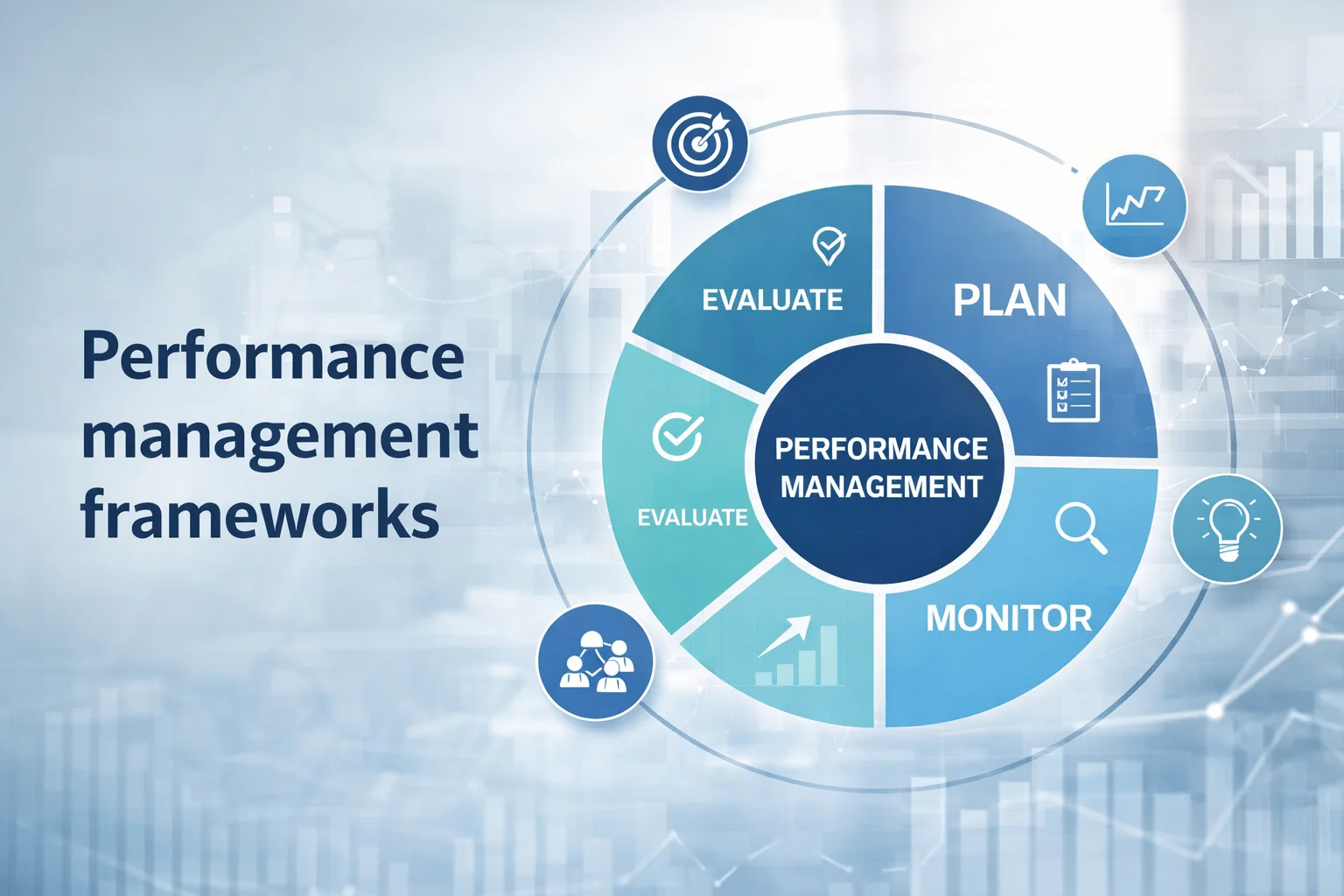
At its core, a performance management framework is a structured system that aligns individual and team efforts with an organization’s strategic goals. Think of it as the operating system for your company’s human potential. It’s not a single event (like that dreaded annual review), but an integrated, continuous cycle of planning, monitoring, developing, and rewarding performance.
The traditional model—often a once-a-year appraisal tied directly to a bonus—is increasingly seen as outdated. Research from Gallup shows that only 14% of employees feel strongly inspired by their performance reviews. Why? Because traditional frameworks often fail on two fronts: they look backward, not forward, and they prioritize evaluation over development.
Modern frameworks are different. They are agile, continuous, and human-centric. They focus on:
- Conversation over evaluation: Regular check-ins replace formal, high-stakes judgments.
- Future-focused growth: Development plans are prioritized alongside past results.
- Alignment: Ensuring every individual understands how their work ladders up to the company’s mission.
The Evolution: From Punitive to Productive
To appreciate where we are, it’s helpful to see where we’ve been. The journey of performance management has been a shift from rigid control to flexible enablement.
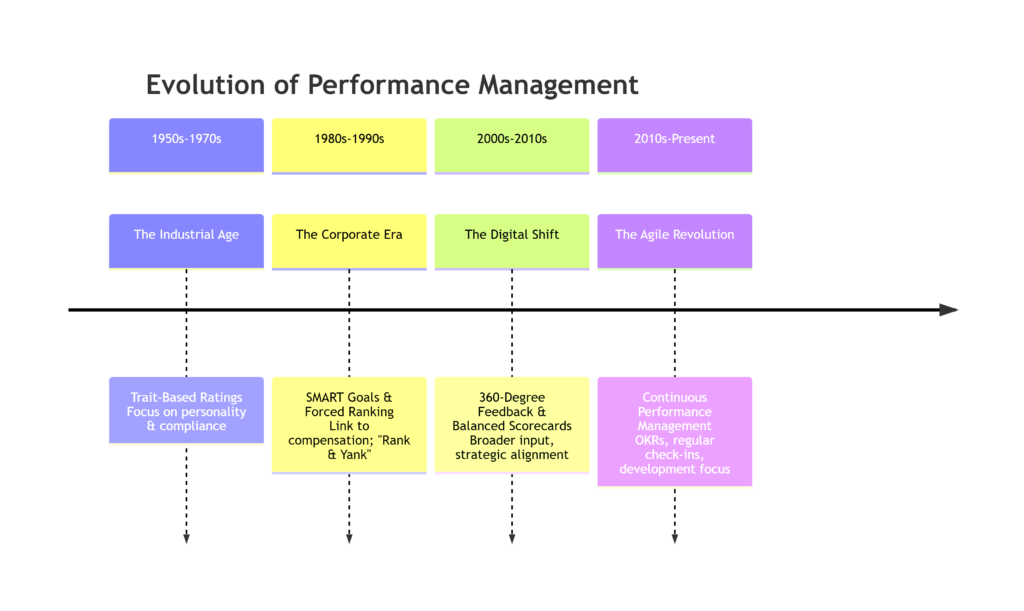
This timeline shows a clear trajectory: moving from judging fixed traits to enabling dynamic growth. The most forward-thinking companies now treat performance management as a continuous dialogue powered by real-time data and focused on coaching.
Dissecting Modern Frameworks: A Comparative Guide
Choosing a framework isn’t about picking the trendiest acronym; it’s about finding the right cultural and operational fit. Let’s compare four of the most influential modern approaches.
| Framework | Core Philosophy | Best For | Key Implementation Tip |
|---|---|---|---|
| OKRs (Objectives & Key Results) | Alignment & ambitious goal-setting. Sets qualitative Objectives with quantitative Key Results. | Startups, tech companies, teams driving rapid growth or innovation. | Keep objectives inspirational and KRs measurable. Ensure OKRs are transparent across the organization. |
| CFR (Conversations, Feedback, Recognition) | Continuous improvement through regular human interaction. Often paired with OKRs. | Culture-driven organizations focusing on development and engagement. | Train managers on coaching skills. Use simple tools to make recognition frequent and visible. |
| 360-Degree Feedback | Holistic perspective gathering performance insights from all directions. | Developing leadership competencies and self-awareness in mature teams. | Ensure anonymity and psychological safety. Focus on development, not evaluation. |
| Balanced Scorecard | Strategic alignment translating vision into measurable operational goals. | Large, established organizations needing to align complex departments. | Don’t get lost in metrics. Keep it simple and ensure employees see the connection to their daily work. |
In my consulting experience with Crossfoot, I’ve seen family-owned trading businesses in Dubai thrive with a simplified Balanced Scorecard that clarifies strategic priorities. Meanwhile, our tech startup clients often find their rhythm with OKRs, using them to pivot quickly in dynamic markets. The best framework is the one your team will actually use and believe in.
The Human Element: Where Most Frameworks Fail (And How to Succeed)
A brilliant framework on a slide deck is worthless if it ignores human psychology. This is the most common pitfall I encounter. We implement a slick new software for continuous feedback, but managers aren’t trained to have developmental conversations. We set ambitious OKRs, but create a culture of fear where missing a stretch goal is punished.
The magic happens at the intersection of system and humanity. Here’s what truly works:
- Psychological Safety is Non-Negotiable: A team at Google’s Project Aristotle found this was the top factor for high-performing teams. Employees must feel safe to admit mistakes, ask for help, and challenge goals without fear. A framework should encourage this, not stifle it.
- Separate Development from Compensation: This is crucial. When a conversation about growth is directly tied to a salary decision, honesty evaporates. Schedule separate discussions for performance review and compensation review.
- Train Your Managers as Coaches: The manager is the most important link in the performance management chain. Equip them with skills for active listening, giving constructive feedback, and facilitating career development—not just evaluating output.
Implementing Your Framework: A Practical, 4-Phase Blueprint
Rolling out a new performance management framework is a change management project, not just an HR policy update.
Phase 1: Diagnose & Define (Months 1-2)
- Conduct surveys and interviews. What’s broken in our current system?
- Clearly define what success looks like. Is it higher engagement? Better strategy alignment? Faster innovation?
- Get executive sponsorship. This cannot be an HR-only initiative.
Phase 2: Design & Customize (Months 2-4)
- Choose and adapt your framework based on your diagnosis.
- Design simple tools and templates. Over-engineering kills adoption.
- Pilot the framework with a willing department. Learn and iterate before a full launch.
Phase 3: Communicate & Train (Months 4-5)
- Communicate the “why” relentlessly. How will this make work better for everyone?
- Train all people managers extensively. This is your make-or-break investment.
- Launch with supportive resources and clear channels for feedback.
Phase 4: Reinforce & Evolve (Ongoing)
- Collect data and feedback consistently. Is it working?
- Recognize and celebrate managers who exemplify the new behaviors.
- Be prepared to tweak the system. A good framework evolves with your company.
Measuring What Matters: The Success Metrics
How do you know your new framework is working? Look beyond completion rates of reviews. Track a balanced set of indicators:
| Leading Indicators (Health of the Process) | Lagging Indicators (Business Impact) |
|---|---|
| Frequency of manager check-ins | Employee engagement scores (e.g., eNPS) |
| Quality of goals set (specificity, alignment) | Retention rates of high performers |
| Participation in development planning | Productivity metrics |
| Sentiment analysis from feedback tools | Achievement of strategic OKRs |
At Crossfoot, when we help clients implement these systems, we often see a 6-12 month lag between improving the leading indicators and seeing the business results. Patience and persistence are key.
The Future is Adaptive
The next frontier of performance management frameworks is personalization and AI-enhanced insights. Imagine a system that:
- Suggests personalized learning resources based on your goals.
- Uses nudges to prompt timely recognition between peers.
- Analyzes work patterns to recommend optimal goals or warn of burnout risks.
The technology, however, should always serve the human connection—not replace it. The best framework of the future will be adaptive, empathetic, and seamlessly integrated into the flow of work.
Conclusion: Your Framework as a Growth Engine
A performance management framework is ultimately a statement of your company’s philosophy on talent and growth. Is people development a core strategic priority, or an administrative afterthought? The energy you put into designing a human-centric system—one that aligns, develops, and inspires—is returned tenfold in engagement, innovation, and resilience.
It’s time to dismantle the Monday morning dread and build something that energizes. To move from judging past performance to co-creating future potential.
Is your current performance management system a source of anxiety or acceleration? At Crossfoot, we help businesses in Dubai and beyond transform their people processes into strategic assets. We don’t just advise on frameworks; we partner with you to build a culture of continuous growth and alignment.
Let’s start a conversation. Reach out to our team for a confidential discussion on reimagining performance in your organization.